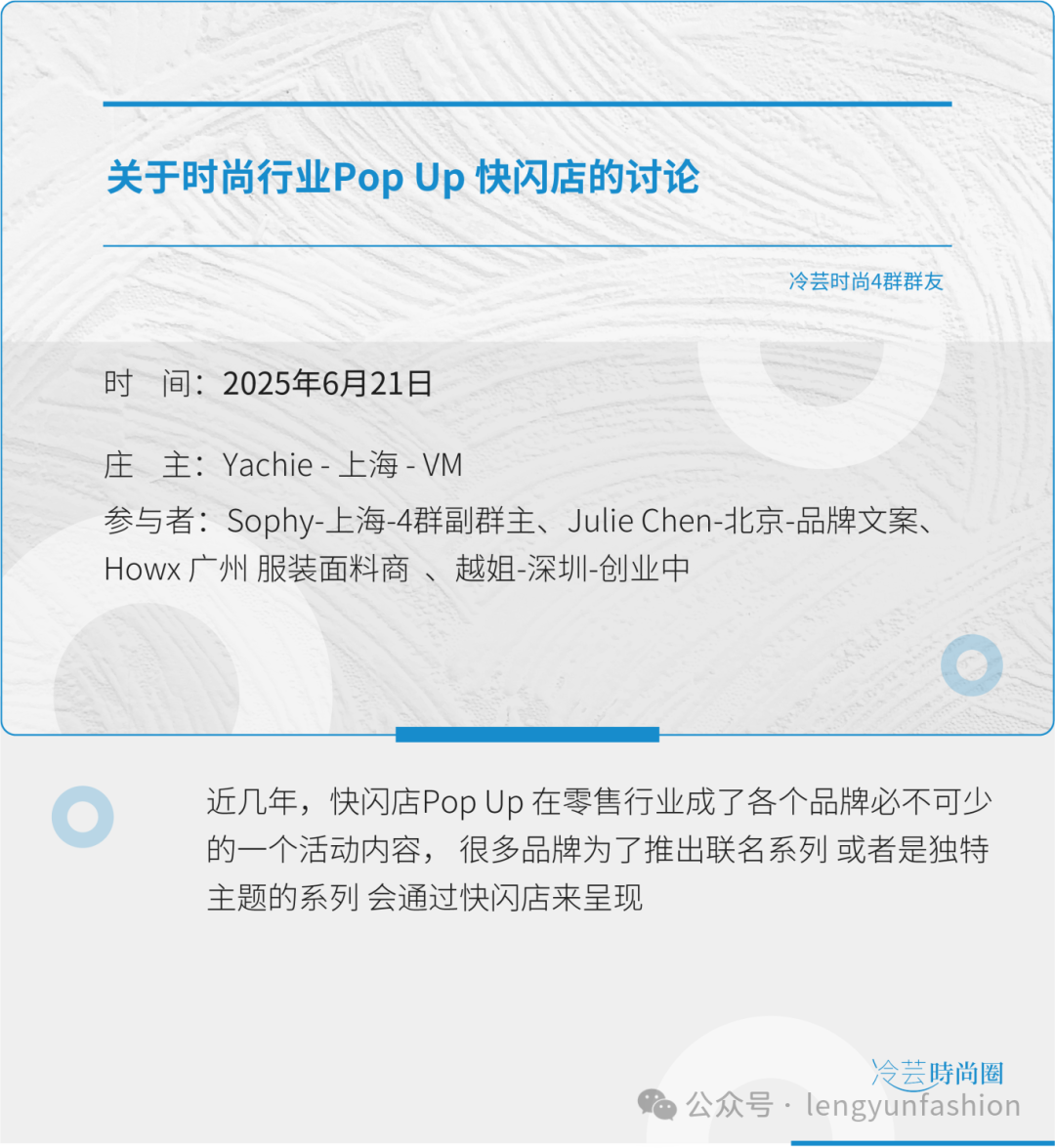
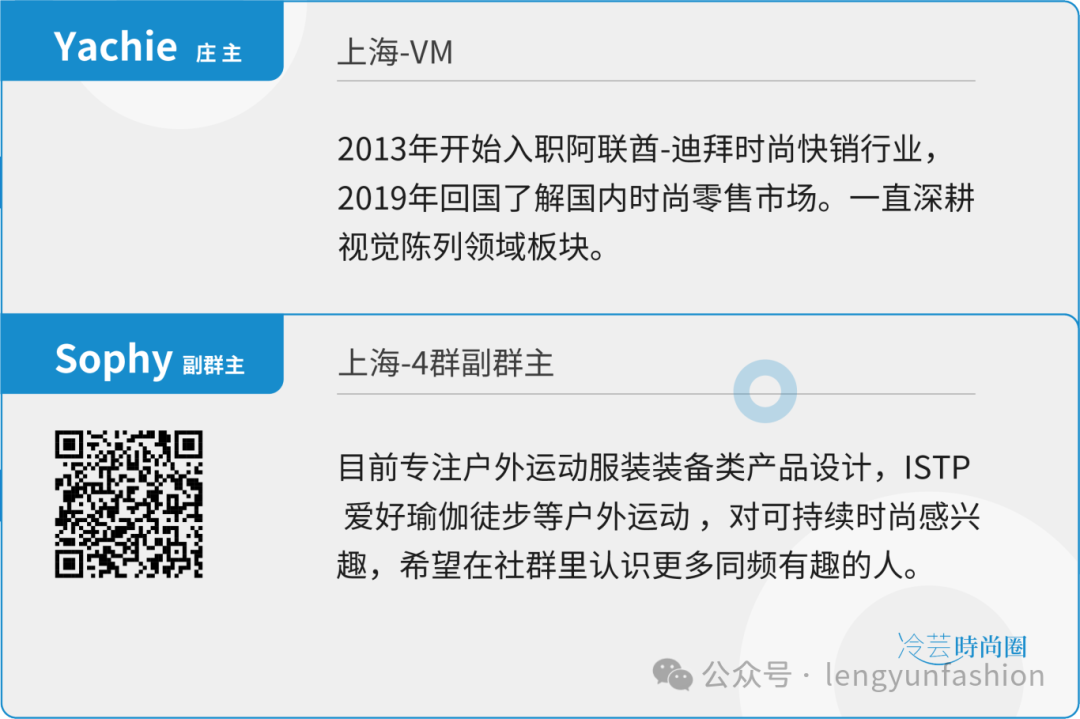
▼The following discussion in the cold fashion circle is a discussion and summary of industry issues. These shares are the culmination of collective wisdom. (They do not represent Leng Yun’s personal opinions). I hope that more people in the industry can benefit from this way!

As a special form of retail, pop-up stores are usually slightly longer than the exhibition cycle, mainly used to display new products or new collections, and have become an important position for brand marketing. From clothing and coffee to trendy toys, pop-up stores of all kinds are showing strong appeal. This can be a temporary store in a fixed location or a mobile branding, which can last anywhere from three or four days to six months, depending on the brand’s budget and the conditions of the venue.
Labubu is one of the most high-profile pop-up stores in Shanghai at the moment, and the crowds at the scene reflect the enthusiasm of young consumers for trendy brands. The Hello Kitty pop-up store was also in the spotlight, featuring the brand’s signature pink colour palette in every detail, from the storefront to the carts, in a uniform pink hue that perfectly captures the brand’s girly aesthetic. Although Hello Kitty has recently surpassed Labubu in terms of volume, its unique visual presentation is still impressive.
The layout of luxury brands in the pop-up space is also worth paying attention to. Dior’s pink café in Beijing’s Sanlitun has become a hot topic, while Margiela has opened a six-month pop-up store dedicated to perfume in the atrium on the first floor of Grand Gateway in Shanghai. MIKIMOTO chose to open a pop-up store in Zhangyuan, Maoming North Road, Shanghai, and cleverly took advantage of the location of the exit of Metro Line 12/13 to ensure maximum customer exposure.
Compared with traditional stores, which focus on sales conversion, pop-up stores focus more on creating a novel experience and interactivity. For example, by offering low-cost or even free experiences such as brand-themed coffees, young consumers can get close to luxury brands. This strategy not only lowers the psychological threshold of consumers, but also cultivates brand awareness subtly. While going to a luxury store may be stressful and shameful, the pop-up store’s photo-taking vibe makes consumers feel more at ease.

1. Break the circle and attract customers.
Even though pop-up stores are often at a loss during their operations, brands are willing to invest in them, suggesting that this type of marketing does increase brand value in the long run. A successful pop-up store should not only attract customers to check in, but also clearly communicate the brand concept. This requires the brand itself to have enough appeal and influence for the pop-up store to really work.
The service experience of pop-up stores is also meticulously designed, with staff often being carefully selected attractive individuals who can enthusiastically and professionally introduce products to customers. This high-quality service interaction further enhances the consumer experience. By incorporating current trends and lifestyle changes, pop-up stores provide brands with a lightweight and flexible display platform, creating diverse communication points that effectively attract the attention of young consumer groups.
A pop-up store is an immersive retail space experience that is short-term, flexibly sited, and typically lasts between 3 and 30 days, creating social flashpoints through scarcity topics and experience design. This form of marketing is like a gamer’s use of “trumpet” trial and error, allowing brands to experiment with innovation within a relatively controlled range without having too much impact on the brand’s main line.
2. Create market volume
A successful pop-up event can spark a lot of discussion across social platforms and physical spaces. Even if this volume does not translate into sales immediately, it can effectively increase the brand influence. In the world of fashion retail, “Brand in mind” is an important indicator of brand influence. Just like when it comes to domestic mobile phones, consumers will immediately think of Huawei and Xiaomi, even if they are not users of these brands at the moment, but the brands have taken root in the minds of consumers.
The pop-up store shows a variety of marketing strategies. For example, in 2024, ZARA will launch a “72-hour environmental flash mob” campaign to sell unsalable products at a 50% discount, increasing the turnover rate by 300%. This inventory clearance model not only solves the inventory problem, but also creates a marketing hotspot similar to “Double Eleven”. The co-branded pop-up store between Jimmy Choo and Sailor Moon designed exclusive shoes for each anime character through cross-border cooperation, accurately hitting the collective memory of the post-80s and 90s.
3. Test the waters and innovate
Technological innovation has also opened up new possibilities for pop-up stores. The introduction of AR shoe try-on mirrors in Nike’s London pop-up store not only solves the display problems such as new products out of stock and classic models being out of print, but also provides convenience for customers who are reluctant to try on shoes in public. This technological innovation resulted in a 35% increase in store conversion rates and a 22% reduction in return rates. AR technology can also be used for new product research and analysis of consumer preferences through virtual try-on data.
The choice of venue reflects different strategic considerations of brands. Dior has created a pop-up store combining ice sculptures and ski wear at Songhua Lake in Jilin, aligning with the popularity of winter sports. Most brands tend to choose high footfall areas such as shopping mall atriums for convenient customer access. In contrast, Prada opted to establish a pop-up store in the desert, generating buzz through the scarcity of its geographical location and sparking consumer desire to visit.
In terms of investment scale, the cost of high-end pop-up stores far exceeds expectations. Taking the Mikimoto pop-up store in Zhangyuan, Shanghai as an example, about 5 million yuan was invested in the 3-5 day event, including venue rent, decoration and construction, personnel costs, catering services, marketing promotion, KOL cooperation and other expenses. But there are also low-cost and creative cases, such as Longchamp’s pop-up store with the brand’s signature green as the keynote, decorating the space in a French pastoral style, conveying the concept of combining the brand with nature through fun games, allowing consumers to experience the lazy romance of French life in a relaxed interaction.
4. Push new products/clear inventory
Compared with opening regular stores directly, the pop-up format can quickly obtain market feedback with relatively concentrated investment. Brands can use pop-up stores to test the acceptance of specific business districts and target groups, and provide decision-making basis for subsequent market expansion. A high-quality pop-up event needs to be a close integration of the setting with the brand’s core concept, rather than a superficial decoration.
In terms of performance measurement, brands need to measure the value of pop-up stores in both the short and long term. With the intensification of market competition and the continuous increase in the investment of pop-up stores, how to achieve the maximum marketing effect within the budget has become an important issue for brands. The innovative pop-up model not only brings new marketing ideas to brands, but also provides more possibilities for the future development of physical retail.

1. Theme conception to create a sense of cultural conflict.
For larger brands, the goal assessment of a pop-up store campaign is often straightforward. A pop-up event can be considered a success as long as it achieves one or two pre-set core goals, such as getting the desired amount of communication. This form of marketing has become an important channel for brands to connect with consumers.
The short-term benefits of pop-up stores are mainly measured through three dimensions: first, the volume of communication, including social media communication data such as Xiaohongshu check-in notes, Weibo topic discussions, WeChat and Moments content sharing; the second is the conversion rate, that is, the ratio of the actual number of transactions to the flow of customers entering the store; The third is customer flow data, which counts the actual number of people entering the store during the event. This intuitive data provides a quick snapshot of the market response to the event.
From the perspective of long-term value, pop-up stores bring two core assets to the brand: first, member precipitation, collecting new member information through the event site, establishing a sustainable customer pool, and laying the foundation for subsequent customer invitations and repurchase behaviours; the second is the accumulation of brand equity, which conveys brand culture and values to target consumers and cultivates brand awareness.
2. Venue selection, scene activation traffic
Brands often set up multiple information collection points in pop-up events. For example, consumer information is collected through ‘registering to receive coffee’, ‘following the official account to receive samples’, etc. Some brands have attracted a large number of ‘wool parties’ to participate by paying attention to the official account and sending brand cashmere samples. These interactions, while costly, are valuable in building a brand’s connection with consumers.
The spread effect of social media is an important source of revenue for pop-up shops. When an event is well exposed online, potential consumers with purchasing power may perceive and favour the brand, which in turn translates into actual purchases. This social media-driven marketing effect allows brands to reach their target audience more effectively.
When it comes to return on investment, pop-up stores often outperform expectations. When deciding whether to launch a pop-up campaign, brands need to conduct a comprehensive evaluation in conjunction with their own financial indicators such as EBIT (earnings before interest and taxes). Pop-up campaigns from brands such as Rue Ant have left a lasting impression on consumers, but sustaining this effect requires sustained market investment. As the industry says, marketing is often ‘burning money’ in the early stage, and the key is to ensure that the investment can bring corresponding market returns.
The cost of a pop-up store needs to be planned through a detailed spreadsheet. From venue leasing and space decoration to staffing and marketing promotion, every link requires precise budget control. That’s why it’s important for brands to plan their pop-up campaigns with meticulous financial planning.

 CHINA FASHION BUSINESS
Leave a comment