Fashion Design | Learning Design from Luxury Brand Runway Shows
▼The following discussion in Leng Yun fashion community is a discussion and summary of industry issues. These shares are the crystallisation of collective wisdom. (They do not represent the personal views of Leng Yun). It is hoped that this method will benefit more industry professionals!

1. First Impressions: Which Look Stood Out to You More — “Dior” or “Anderson”?
The Dior Spring/Summer 2026 womenswear show retained the house’s classic DNA while injecting a strong sense of youth and freshness.
Classic pieces were made more contemporary. Dior’s iconic black-and-white suits featured shortened skirts and jackets, with asymmetrical hems that felt lighter and less rigid. Previously complex pleating techniques were simplified into more wearable, everyday versions, combined with relaxed knitwear for comfort and ease.
The overall style embraced contrast — softness and strength coexisted. Romantic elements such as voluminous skirts and bows were paired with structured leather and combat boots. Lace collars styled with chunky knits, and sheer skirts matched with utilitarian boots created intentional tension that felt modern and fashion-forward, breaking away from a single definition of femininity.
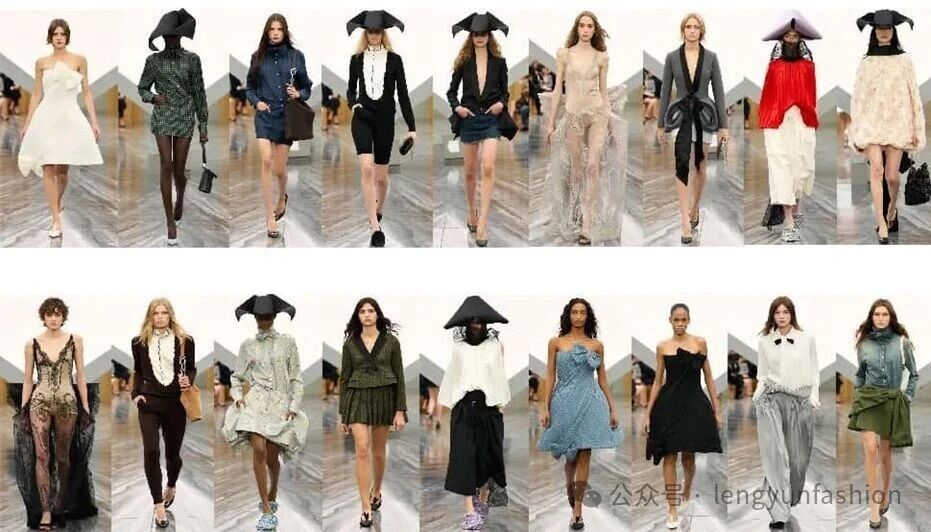
Let’s take a look at Anderson’s final runway show for Loewe:
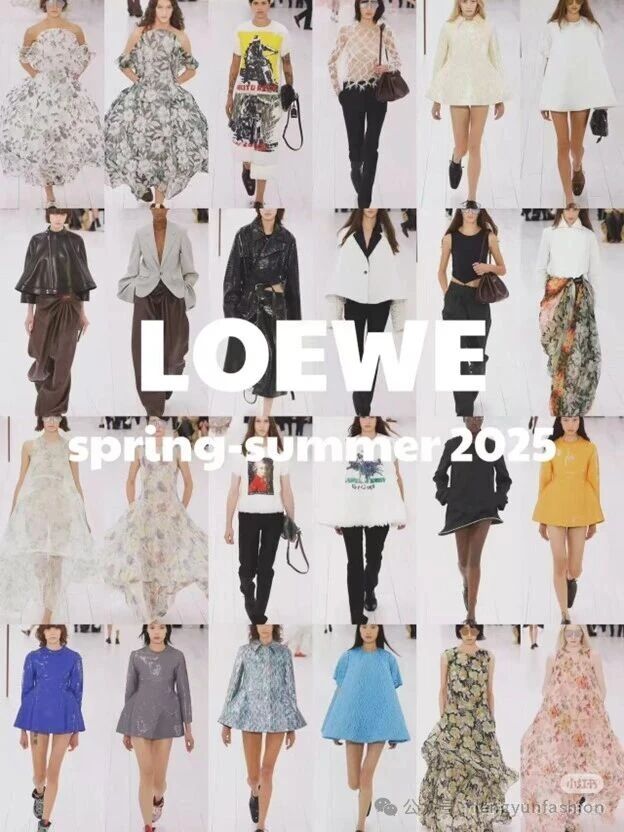
Due to Anderson’s personal aesthetic, the overall mood of these two shows differs, yet both emphasize strong silhouettes.
The final Spring/Summer 2025 show by Dior’s former creative director Maria Grazia Chiuri (2016–2025) looked like this:
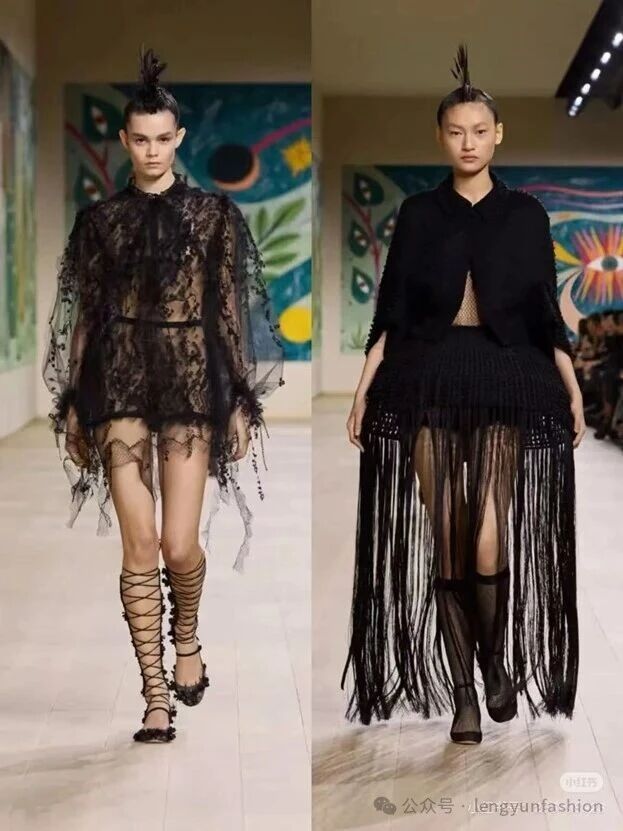
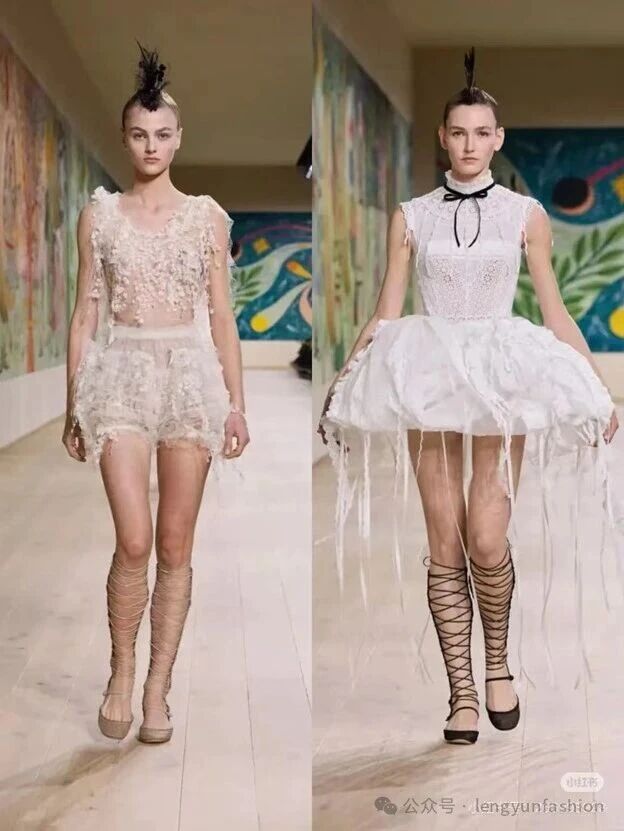
Chiuri’s Dior over nine years leaned toward femininity and elegance. Under Anderson, Dior feels younger, more playful, and rebellious. By comparison, Anderson’s Dior appears more wearable and closer to everyday life.
2. Personal Style: How Anderson Reinterprets Classic Dior Codes
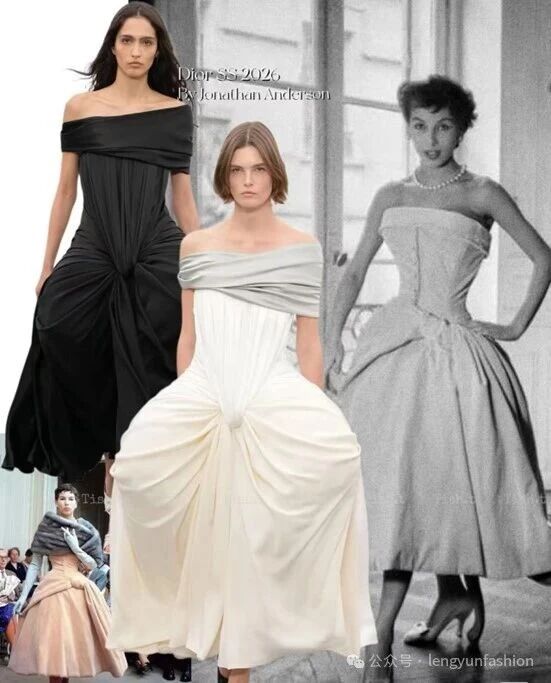
The image below shows Dior’s iconic 1947 “New Look,” which emphasized the waist and celebrated feminine curves, redefining elegance and romance.
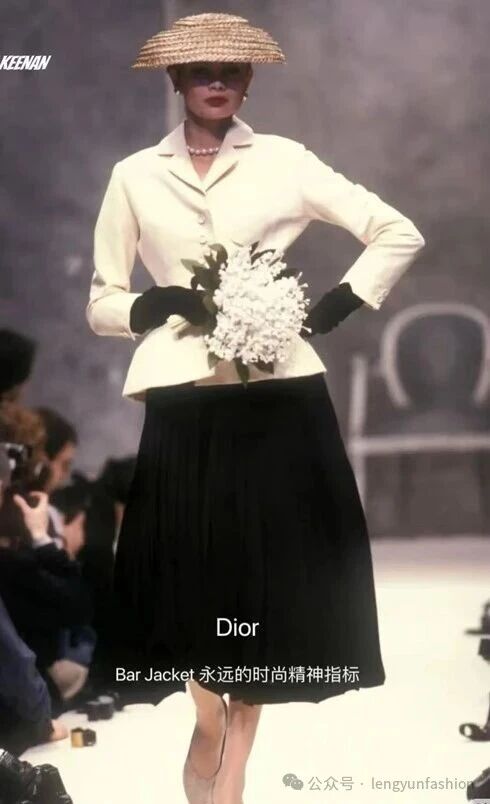
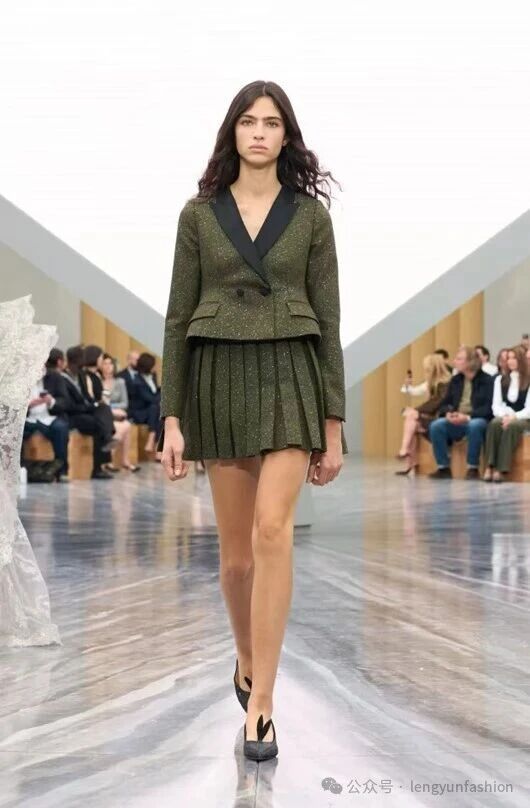
Anderson retained the New Look silhouette but reworked it to feel younger, more dynamic, and contemporary.
The following image shows a Dior design from 2003, which Anderson reinterpreted to feel lighter, more functional, and modern.
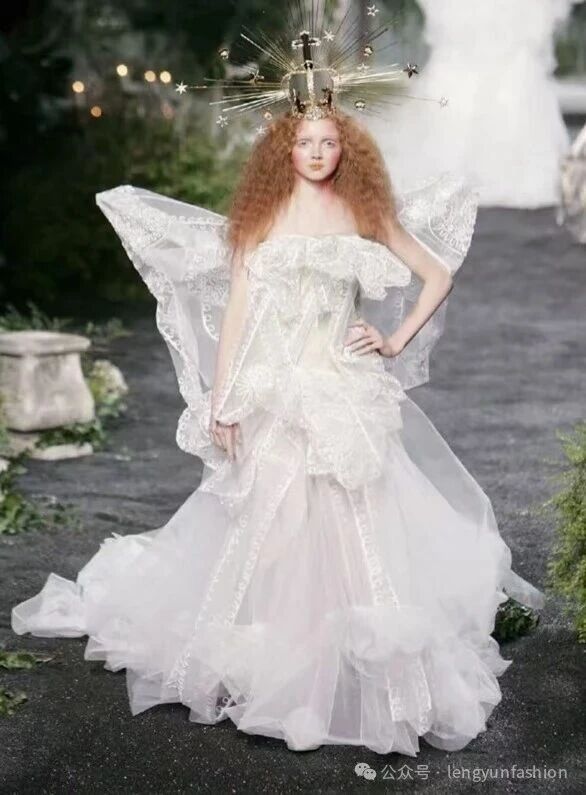
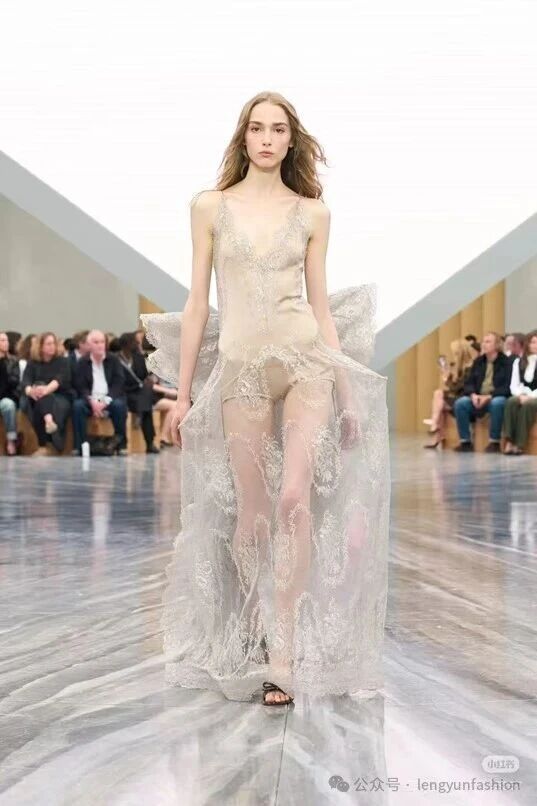
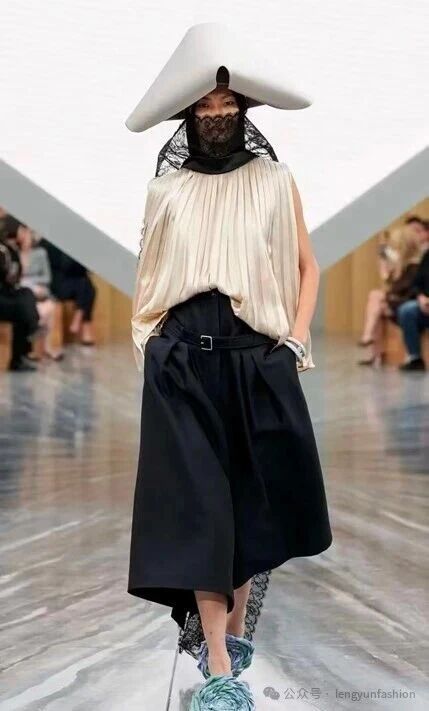
Masked veils also appeared in this collection — a motif that dates back to
Dior in 1959.
Another historic Dior silhouette was also reworked. Anderson preserved the classic shape while updating fabrics, details, and accessories to create a more modern expression.
3. Homage or Disruption?
The host believes Anderson strikes a balance — honoring Dior’s heritage while injecting new tension and relevance. Instead of continuing in his predecessor’s design language, he approached Dior from a fresh perspective while still respecting the brand’s core identity.

1. Redesigning Classic Items
If you were to update your brand’s iconic product, where would you innovate?
Innovation can come from color, silhouette, pattern, design technique, or craftsmanship. Trend colors change annually, with roughly five-year cycles, so color updates are essential.
Brands often retain signature silhouettes while innovating through details and materials. Patterns — such as Dior’s iconic rose — can be reinterpreted through new design techniques. Craftsmanship must also evolve with the times.
2. Playing with Signature Elements
Identify your brand’s key symbols and explore three renewal methods: transformation, enlargement, and recomposition.
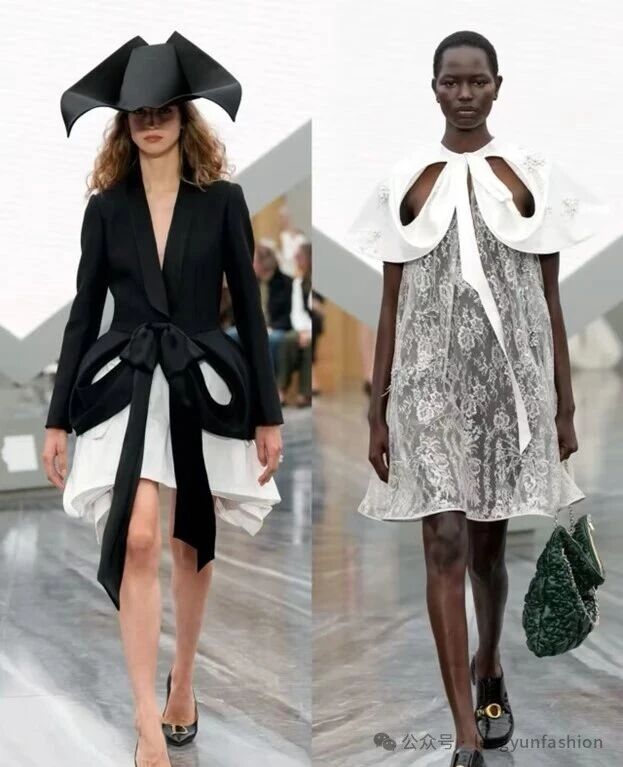
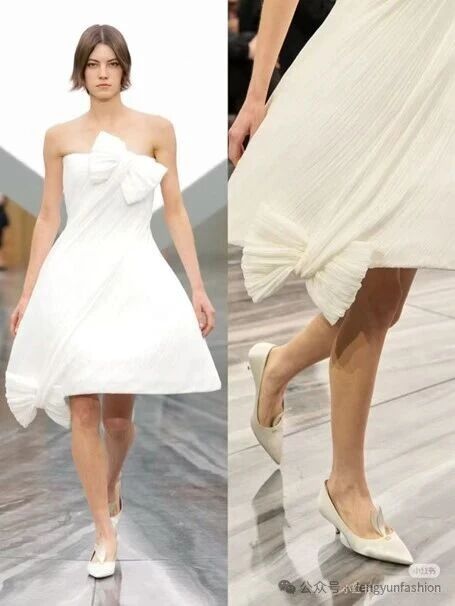
Bows appeared frequently in Dior SS26. While bows have been a trend for some time, Anderson’s treatment stood out. Rather than using bows as mere decoration, he integrated them structurally into hems and collars, making them part of the garment itself.
He enlarged proportions, reworked materials, and reconstructed forms, giving the bow a distinctly modern presence.
3. Distinguishing “Art Pieces” vs. “Commercial Pieces”
Art pieces prioritize concept and expression, often created for runways or special occasions. Commercial pieces, by definition, are designed to sell and suit everyday wear and retail environments.
For example, Miu Miu’s diamond underwear — priced around ¥50,000 — gained massive attention through celebrity wear. While not commercially practical, it functioned as an artistic statement rather than a sales-driven product.
Fashion collections typically include image pieces, core basics, and themed items. Designers must first identify the category before determining how much personal expression to incorporate.

1. Learning the Basics: How to Quickly Decode a Company’s “Design Language”
Fashion designers work across many categories — menswear, womenswear, age segments, and styles. Before joining a company, it’s crucial to assess whether the brand aligns with your background.
Key advice:
1. Avoid drastic jumps (e.g., menswear to womenswear).
2. Research the brand through official accounts, showrooms, lookbooks, and physical stores.
3. Analyze past bestsellers — focusing on silhouette, fabric, color, and craftsmanship.
4. Identify reference and competitor brands.
5. Maintain strong communication with supervisors — design suffers most when done in isolation.
Design has no absolute standard of beauty; success depends on aligning with the company’s direction and leadership expectations.
2. Communicating Ideas: How to Get Your Concepts Accepted
1. Start humbly. Observe first and build trust.
2. Support ideas with data — past sales, bestseller cases, and trend analysis.
3. Choose the right timing and context; begin with small suggestions.
4. Use sketches and fabric samples to communicate clearly, including cost and production feasibility.
5. Follow through from concept to execution, actively solving problems and closing the creative loop.
3. Avoiding Pitfalls: From “Culture Shock” to Successful Integration
The host shared a personal failure: she once joined a small brand focused on sweet-and-edgy original designs heavily using bows. Coming from a more mature womenswear background, she struggled to adapt.
When asked to design bow-accented trousers, she produced many sketches but none were approved, leading to her dismissal.
The core issue was a mismatch in brand style and experience. She concluded that early-career designers may benefit more from larger companies, which often allow time for adaptation and growth. Once a negative label forms, recovery can be difficult.

1. Designers or Brands That Successfully Balance Personal Style and Brand Identity
One member recommended **JNBY**, known for its distinctive, non-mainstream aesthetic.
The host shared her appreciation for **Sea**, a pastoral, feminine brand known for embroidery, beading, printed fabrics, and natural materials like cotton and linen — highly recognizable and ideal for resort wear.
PS:Translation is done by AI.
 CHINA FASHION BUSINESS
Leave a comment